

Listen to Australian and world news and follow trending topics with SBS News Podcasts.
TRANSCRIPT
It's not often that journalism itself becomes the story.
But for Communications Minister Anika Wells, it's THE headline of the moment.
“The media landscape has changed dramatically. And we all know most Australians are now consuming online. People are increasingly getting their news directly from Facebook, from TikTok and from Google, and we believe it's only fair that large digital platforms contribute to the hard work of journalism that enriches their feeds and that drives their revenue.”
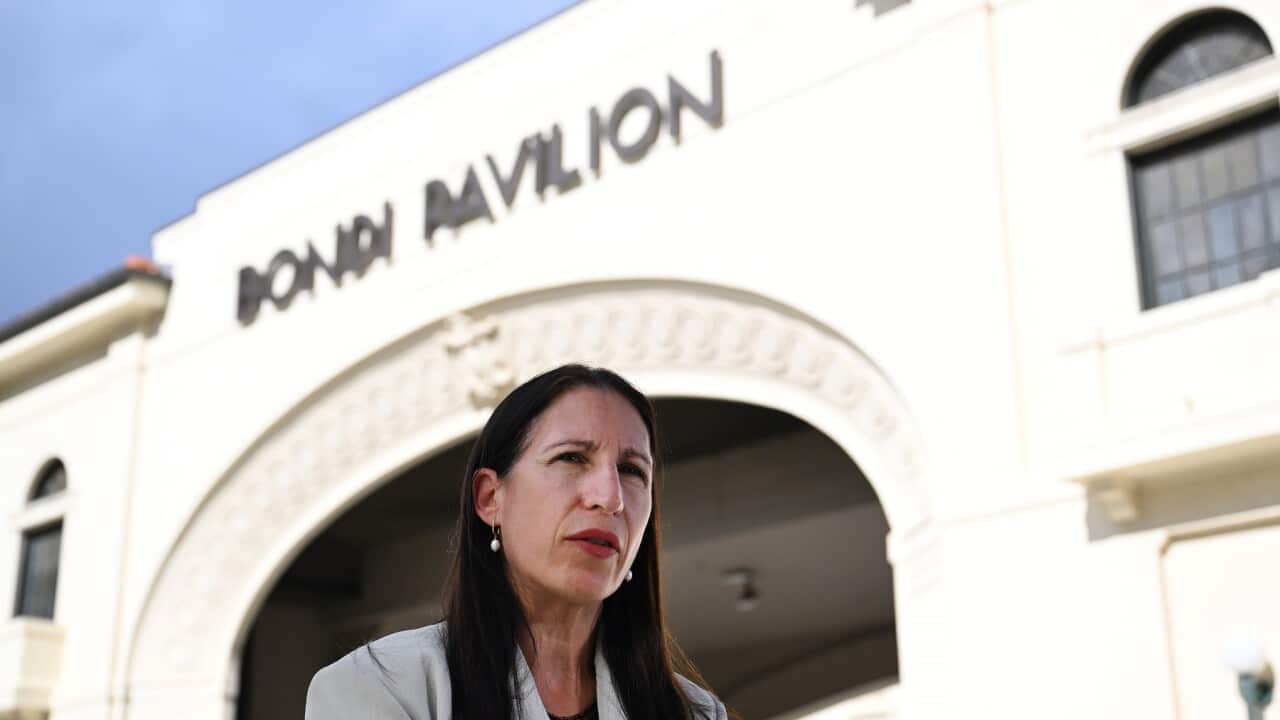
The Minister's comments have been delivered at a press conference where the government has unveiled a draft proposal for a new framework for the News Bargaining Code.
Daniel Mulino is the Assistant Federal Treasurer.
“What we know is that news media organisations are having to deal with large digital platforms that have very substantial market power. And that's undermining the traditional business model. This news bargaining incentive is designed so as to encourage digital platforms to enter into deals with traditional media, so as to support journalism.”
If bargains are struck, social media platforms will pay only 1.5 per cent of revenue to the government, compared with the higher amount of 2.25 per cent without one.
The reformed code could also contain special provisions for Culturally and Linguistically Diverse Communities [[CALD]], and those providing rural and regional news.
The Prime Minister Anthony Albanese says they anticipate the reform will deliver a healthy investment to Australian journalism that the sector really needs, amid declining advertising revenues from traditional sources.
“We think that investment in journalism is critical to a healthy democracy. It matters. It's something that defines the way that Australian society operates. And frankly, if the work is being done by the people here at this press conference and in other places right around Australia, then your work needs to have a monetary value attached to it. It shouldn't just be able to be taken by a large multinational corporation and used to generate profits for that organisation, with no compensation appropriate for the people who produce that creative content.”
Meta has already responded to the announcement with this statement.
"News organisations voluntarily post content on our platforms because they receive value from doing so. The idea that we take their news content is simply wrong. This proposed legislation, which would apply to platforms regardless of whether news content even appears on our services, is nothing more than a digital services tax. A government-mandated transfer of wealth from one industry to another, with no connection to the value exchanged, will not deliver a sustainable or innovative news sector.”
A previous version of the news bargaining code was rolled out in 2021 by the Morrison government, and Meta was among the social media companies to ultimately walk away from the deals it had with Australian news outlets in 2024.
Anika Wells is confident it will be different this time.
“The money [[paid by the tech companies]] will come to us, and we will deliver that funding to news organisations based on how many journalists they employ. The more journalists they have the more money they will get under this proposal. And we are consulting on this to make sure we get it right because local news matters to local communities, and these stories can't be told without backing Australian journalists.”
Legislation to codify the proposal is likely to be introduced to parliament in the coming weeks.